
 Facebook
 X
X
 Pinterest
 Copy Link

If you’re considering buying a home on or near Lake Conroe, one of the most common—and important—questions is:
Does Lake Conroe flood?
The short answer: Yes, it can—but not everywhere, and not all properties are affected the same way.
Understanding how, when, and where flooding can occur is key to making a confident and informed decision.
🌊 Lake Conroe Dam & Water Levels

Why Lake Conroe Can Flood
Lake Conroe, located in Montgomery County, is not a flood-control lake. It was designed primarily for water supply and recreation—not to absorb excess floodwaters.
During heavy rainfall, the San Jacinto River Authority may release water from the dam to maintain safe lake levels. When that happens, water levels can rise quickly, especially in certain areas.
🏘️ Waterfront vs Interior Properties

Which Areas Around Lake Conroe Are Most at Risk?
Not all homes around Lake Conroe carry the same level of flood risk.
Higher Risk Areas:
- Some waterfront homes at lower elevations
- Properties in designated flood zones (AE or VE)
- Areas closer to the dam or downstream river flow
Lower Risk Areas:
- Elevated waterfront homes
- Interior homes within lake communities
- Properties in Zone X (minimal flood risk)
💡 Local Insight:
Two homes in the same neighborhood can have completely different flood exposure depending on elevation and lot position.
🗺️ Understanding Flood Zones
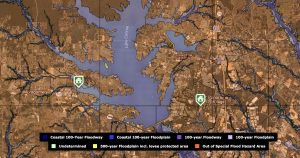
Do You Need Flood Insurance on Lake Conroe?
Sometimes—yes.
If a property is located in a FEMA-designated high-risk flood zone, lenders will typically require flood insurance.
Even if it’s not required, many buyers choose to carry it for added protection—especially for waterfront homes.
🌧️ Historic Storm Impact
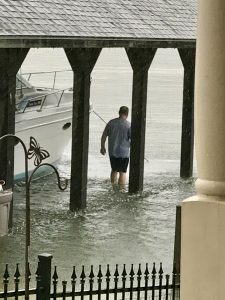
Has Lake Conroe Flooded in the Past?
Yes. The most notable event was during Hurricane Harvey, when extreme rainfall led to significant flooding in parts of the Lake Conroe area.
However, it’s important to understand:
- That was an extreme, historic storm
- Not all areas were impacted equally
- Many homes did not flood at all
🔍 What Buyers Should Look At

What Buyers Should Look At Before Purchasing
Before purchasing a home around Lake Conroe, it’s important to evaluate:
- FEMA flood zone designation
- Elevation certificates (if available)
- Property history (prior flooding or claims)
- Drainage and lot grading
- Bulkhead condition (for waterfront homes)
💡 Professional Guidance Matters:
This is where working with a local expert can make a significant difference.
🌅 Why People Still Choose Lake Conroe

Is Buying on Lake Conroe Still a Good Idea?
Absolutely—when you understand the market.
Lake Conroe continues to be one of the most desirable lifestyle markets in the Houston area, offering:
- Waterfront living
- Boating and recreation
- Golf course communities
- Strong long-term appeal
The key is not avoiding the lake—it’s buying smart on the lake.
Final Thoughts
Flooding is a factor to consider—but it’s not a reason to avoid Lake Conroe altogether.
With the right knowledge, proper due diligence, and expert guidance, buyers can confidently choose properties that align with both their lifestyle and risk comfort.
👉 Want to know which Lake Conroe neighborhoods have the lowest flood risk?
Let’s have a conversation. I’m happy to share what I see in the market every day.


